Itching after


Inhaltsverzeichnis
What is itching around the anus?
What are the causes of itching around the anus?
Who is affected by itching around the anus?
What to do if your anus itches? What to do for pruritus ani?
Itching after: When to see a doctor?
What to do for itching or burning around the anus?
What helps with anal itching?
How do CANNEFF® SUP suppositories work in the treatment of itching around the anus?
What is anal itching?
Anal itching refers to itching in the anal region; more precisely, it itches, scratches, and rubs around the anal opening, the rosette. Anal itching or pruritus ani (as it is medically called) can occur with varying intensity. Depending on the cause, the itching is often not an isolated symptom but is often accompanied by burning, oozing, and pain around the anus. Mild anal itching for a short time does not necessarily require medical evaluation or treatment. Anal itching can also be caused by improper intimate hygiene, temporary allergic reactions to certain foods or care products, or simple skin irritations. However, persistent itching definitely requires medical evaluation and can also indicate some serious diseases.
What are the causes of anal itching?
The anal region, as the exit of the digestive tract with a generally moist environment, is a vulnerable body area. Itching inside and outside the anus are complaints that often Hemorrhoids are assigned. Some proctological diseases, such as anal fissures, Anal fistulas and abscesses, Hemorrhoids and other inflammatory diseases of the rectum can generally lead to irritation in the anal area. These then manifest as the symptom of anal itching. Infections with bacteria, fungi, viruses, or parasites can also be responsible for anal itching. Some of these infectious diseases are also sexually transmitted infections. Likewise, some medications can cause itching of the anus, i.e., anal itching, as a side effect.
However, there are many other causes for itching, burning, and oozing around the anus. Intensely spicy foods or allergies can trigger skin reactions that cause itching. Conditions such as gastrointestinal infections, irritable bowel syndrome, colon cancer, and diabetes may also be causally related. Last but not least, injuries such as an anal fissure are accompanied by burning pain and itching around the anus. Thus, a variety of proctological causes can trigger anal itching, ranging from generally poor intimate hygiene of the anal area to serious proctological diseases.
Who is affected by anal itching?
Analysis and evaluation of German-language Google search trends show that the anal area is one of the most frequently searched body regions—especially in combination with the term "itching." Anal itching is therefore one of the most common symptoms that lead patients to a proctology practice. As a personal, intimate topic, only estimates exist regarding the frequency of this symptom in society. It is assumed that about one to five percent of the population in Germany suffer from anal itching. Itching at the anus affects males across all age groups two to four times more often than females.
What to do if the anus itches?
What to do about pruritus ani?
If the anus burns or itches, it should first be checked whether unfavorable lifestyle habits could be the cause. Causes of anal itching include improper, insufficient, or overly intense care of the anal area, contact allergies (e.g., detergents), and food intolerances, which should be examined first. Sports activities and synthetic underwear combined with excessive sweating in the intimate or anal area should also be considered.
Anal itching: When to see a doctor?
In cases of short-term anal itching, harmless triggers such as food or allergies to personal care products are often the cause. It is not necessarily necessary to see a doctor for brief episodes of anal itching. However, consulting a general practitioner or specialist can certainly help with experience and medical expertise in identifying the cause of the anal itching. If the itching persists and intensifies, a prompt visit to a medical expert is recommended. Depending on the cause, the appropriate medical specialty is either dermatology or proctology. Anal itching can sometimes be a sign of serious conditions that should be investigated for health reasons.
What to do about itching or burning at the anus?
Regardless of the cause of anal itching, the most important thing is to avoid scratching as much as possible. Rubbing and scratching can worsen the already irritated skin and symptoms around the anus. In general, local substances with anti-inflammatory effects can also be used short-term for symptomatic treatment and therapy of anal itching. Soothing ointments or CANNEFF® SUP Suppositories relieve and promote the regeneration of skin and tissue. Additionally, all affected individuals should pay increased attention to thorough intimate hygiene. If symptoms persist or worsen in the anal region, medical advice and expertise should definitely be sought.
What helps with anal itching?
If you suffer from unpleasant anal itching, pay careful attention to the care of the anal area. The following tips can help relieve the discomfort:
- After bowel movements, it helps to clean the intimate area with clear water and then gently pat dry with very soft toilet paper.
- Do not wear synthetic underwear to prevent the intimate area from becoming too warm and moist. Choose underwear made from natural materials like cotton, which provide a better microclimate in the intimate zone.
- Avoid spicy and very salty foods, as well as dairy products and caffeine- and alcohol-containing beverages.
- Home remedies such as sitz baths with chamomile flowers, oak bark extract, or witch hazel (Hamamelis) are also used by many patients and can relieve itching around the anus.
- Common treatments include soothing ointments or suppositories like CANNEFF® SUP, which relieve discomfort and promote the regeneration of skin and tissue.
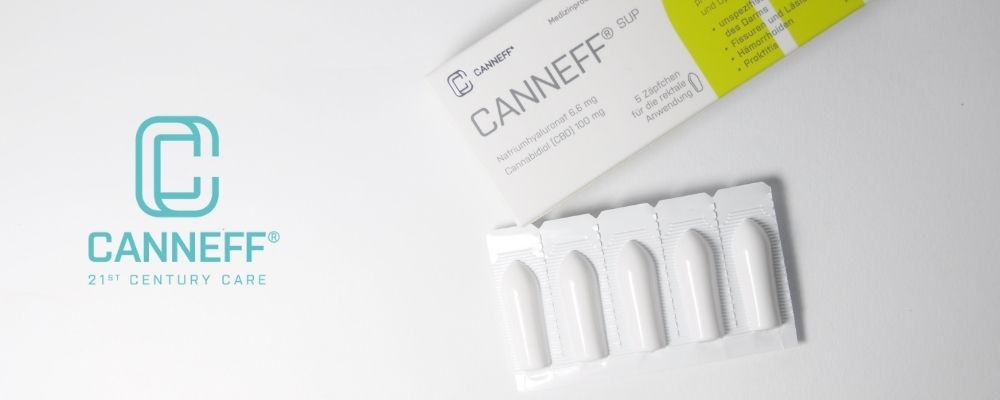
How do CANNEFF® SUP suppositories work in treating anal itching?
CANNEFF® SUP Suppositories for rectal use can relieve symptoms of itching around the anus. The suppositories promote and support the healing process of small and deep fissures, anal fistulas, and lesions in the anal and rectal area. After colorectal surgeries, they can CANNEFF® SUP Suppositories Helping you support the recovery process and minimize discomfort.
Quellenverzeichnis anzeigen