What to look for when buying CBD oil?


Inhaltsverzeichnis
Cannabinoid content in the final product
Certification
Natural vs. Isolated CBD (Full-Spectrum Extract vs. Isolate)
CO2 Extraction
Phytocomplex of active ingredients
Legality
Application and Dosage
Packaging and Storage
Cannabinoid Content in the Final Product
The percentage of CBD, together with the volume of the product packaging, determines the absolute amount of CBD in the product. Therefore, when purchasing a product, attention should be paid not only to the percentage of CBD but also to the absolute amount in the product. For example, 10ml of CBD with 10% CBD should contain between 900 mg and 1000 mg of CBD depending on the oil's density. Equally important is the THC content in the final product, which must not exceed the legally established limit of 0.3% under any circumstances.
In some oils, the CBD content is composed of CBD along with CBDA (cannabidiolic acid). CBDA is the precursor to cannabidiol and therefore does not produce the same effects as CBD. Although there is now scientific knowledge about CBDA, general statements about it are still highly controversial. Ideally, the exact breakdown of the cannabinoid composition is provided by the producers themselves.
Certification
Own Tests
As already pointed out in our blog post “Arge Canna,” product certification can provide information regarding quality. A corresponding certificate of analysis (COAs = Certificate of Analyses) should be presented to customers by the retailer at the latest upon request. If such a certificate cannot be provided, a purchase is not recommended. However, even existing certificates of analysis can be manipulated. It can happen that the CBD and THC content is slightly altered on behalf of the seller and the product is only sent to the respective certification body afterward.
Independent Laboratories
In Austria, Arge Canna is currently the only independent working group that tests cannabis products available on the market. Accordingly, their test results carry significant credibility. Classifications of CBD oils with the AC quality seal are therefore considered safe and trustworthy.
Natural vs. Isolated CBD (Full-Spectrum Extract vs. Isolate)
There are many ways to extract cannabinoids from industrial hemp. Besides alcohol extraction, most CBD producers rely on extraction using liquid CO2. These extraction methods enable the production of so-called full-spectrum extracts. This means that, in addition to CBD, a broad spectrum of other natural cannabinoids, as well as terpenes, flavonoids, antioxidants, and other secondary plant compounds, are extracted. The combined use of all plant compounds is said to potentiate their effects, which is referred to in expert circles as the entourage effect.
To obtain pure CBD, this initial extract must be further concentrated and other ingredients removed. In this step, the so-called CBD isolate is produced. This is especially preferred by customers who are sensitive (or even allergic) to other plant compounds or cannabinoids—such as THC. Due to the chemical isolation of the active ingredient, residues of solvents can be present in isolates, which is why you should always carefully check the certificates of analysis from CBD producers. If no analyses of solvents, heavy metals, and other contaminants are available, products should be treated with caution. It is also more reliable if analyses are conducted by external laboratories rather than in-house. Unfortunately, taste and color are not good indicators of product quality or CBD content.
CO2 Extraction
CO2 extraction is considered the gentlest of all effective methods to extract plant material. The corresponding solvent evaporates completely, leaving the plant ingredients unchanged. What remains is a 100% residue-free industrial hemp extract. CBD oils obtained by CO2 extraction are free from synthetic chemicals.
Phytocomplex of Active Ingredients
A phytocomplex is the synergistic combination of the natural active ingredients of each medicinal plant and can include groups of substances such as terpenes, flavonoids, and other secondary plant compounds. The interaction of these often has a synergistic effect. Therefore, a product with a rich phytocomplex of ingredients can definitely be relied upon.
Legality
In Austria, a THC content of 0.3% and in Germany 0.2% is defined as the legal limit. In Switzerland, however, the THC limit is 1%. The information on the product label should be taken into account and verified accordingly. As long as the limit is observed, no psychoactive effects are to be expected when used properly.
Usage and Dosage
Many manufacturers market their CBD oils as dietary supplements and accordingly provide dosage recommendations. Since CBD is not marketable within the EU without approval due to the Novel Food Regulation, many providers, such as cannhelp aroma products, sell products with CBD. These correspond to the same quality but cannot be labeled with dosage recommendations. We comply with all legal requirements, and our products are legally available.
Packaging and Storage
CBD is sensitive to light and should therefore only be purchased in opaque packaging. Once a CBD oil has been acquired, it should ideally be stored in a cool, dark place. Since it is a light- and air-sensitive product, it can be safely stored in a kitchen cabinet. Cannabidiol oil lasts at least two years. Refrigeration can change the oil’s consistency and is not necessary if stored cool and dark otherwise.
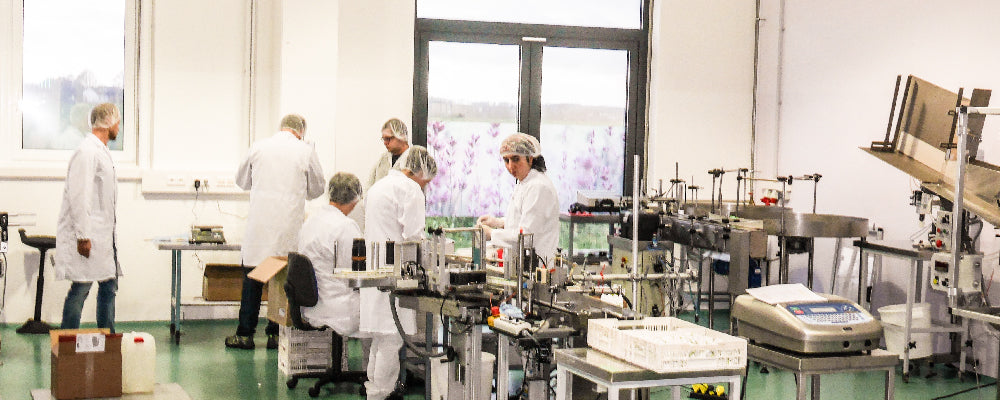
Ultimately, the goal is to have a high-quality and satisfactory product in hand. We therefore strongly recommend considering all the aspects mentioned here when purchasing CBD oils. In particular, ingredients and THC content should always be checked before purchase. It never hurts to ask for certification and take a look at it. This provides clarity about which ingredients are actually present in the purchased products. The extraction method using CO2 should also be taken into account. By following the manufacturer’s recommendations, you can enjoy the effectiveness and sustainable benefits of the product.
Quellenverzeichnis anzeigen