Causes and Treatment of Hemorrhoids


Inhaltsverzeichnis
What exactly are hemorrhoids?
What are the most common causes of hemorrhoidal conditions?
What are the symptoms of hemorrhoids?
What are the stages of hemorrhoidal disease?
How are hemorrhoids diagnosed?
What can you do about hemorrhoids?
What should I do if my hemorrhoidal symptoms worsen?
What exactly are hemorrhoids?
Hemorrhoids are blood vessels located under the mucous membrane between the rectum and anal canal and have a network-like structure. All people have hemorrhoids because they help securely seal the bowel to the outside by ensuring fine continence (sealing air and liquid in the rectum). The blood vessels can cause complaints for various reasons. Hemorrhoids can become inflamed, bleed, swell, tear, burst, or prolapse (fall outward). In this case, doctors refer to it as hemorrhoidal disease.
What are the most common causes of hemorrhoidal disease?
The main cause of hemorrhoids is strong straining with increased pressure in the abdominal cavity (high intra-abdominal pressure) as well as straining after bowel movements. Digestive issues such as diarrhea or constipation can negatively affect the normal closing function of the rectum. Frequent bowel movements – for example, during prolonged diarrhea – can irritate the hemorrhoidal plexus. Therefore, increased abdominal pressure from various causes, such as persistent coughing or obesity, can lead to hemorrhoidal disease. Physical activities like weightlifting or abdominal muscle training can also increase intra-abdominal pressure. Pregnancies can trigger hemorrhoidal complaints due to increased abdominal pressure combined with loosening of the pelvic floor tissue. Accompanying pelvic floor training is therefore an important countermeasure.
The connective tissue loses firmness due to aging. That is why hemorrhoid problems increase with age. A diet low in fiber, lack of exercise, and insufficient fluid intake promote the development of hemorrhoidal conditions. Furthermore, there is a genetic predisposition to hemorrhoidal complaints. A tendency for this condition is therefore sometimes inherited in families.
What are the symptoms of hemorrhoids?
Depending on the severity, hemorrhoids cause annoying moisture, itching, burning, or bleeding after bowel movements. In the later course of the disease, a foreign body sensation due to prolapse and minor incontinence may develop. Usually, patients' symptoms have been present for a long time during proctological examinations and are sometimes only diagnosed through routine check-ups, such as with a urologist or dermatologist. Men are often affected, as they may seek medical advice later due to fear of stigma. As with all diseases, it is important to positively influence the course of the illness as quickly as possible.
What are the stages of hemorrhoidal disease?
Stage 1:
Internal hemorrhoids, which are not visible externally even during straining, can cause annoying moisture, itching, burning, or painless bleeding after bowel movements. Therefore, any abnormalities such as blood in the stool or frequent itching should be taken seriously here as well, even if no pain occurs yet.
Stage 2:
An external prolapse of the hemorrhoids that only occurs during straining and is spontaneously reversible at rest defines the second stage of hemorrhoidal disease.
Stage 3:
A permanently present prolapse of the hemorrhoids protruding from the anal canal, which can be corrected by manipulation such as finger pressure, along with accompanying symptoms like a foreign body sensation, frequent bleeding, moisture, and inflammation combined with anal minor incontinence, are typical for the third stage.
Stage 4:
The hemorrhoidal prolapse can no longer be manually repositioned. Medical interventions are essential here.
How are hemorrhoids diagnosed?
The symptoms already indicate the disease. Through targeted physical examination and a colonoscopy, the specialist can make a definitive diagnosis. Severely pronounced hemorrhoids (e.g., prolapse) can be seen with the naked eye. Other changes in the rectal area as well as other diseases such as tumors, polyps, an enlarged prostate, or abscesses are ruled out through extended examination.
What can you do about hemorrhoids?
Prevention is the best follow-up care. A healthy, fiber-rich diet and plenty of fluids support normal digestion and are the most effective way to avoid hard stools (leading to constipation) and unnecessary straining during bowel movements. Only go to the toilet when you really need to. Avoid excessive straining and try to relax. Ensure regular bowel movements and allow enough time. Regular physical activity and meals help with this. If hemorrhoidal symptoms still develop, don’t despair. For mild hemorrhoidal symptoms, lukewarm sitz baths with chamomile or oak bark additives and rest can provide sufficient relief. Relaxation techniques reduce the increased tension of the sphincter muscle (sphincter tone), as stress also plays a role in the development of hemorrhoidal symptoms.
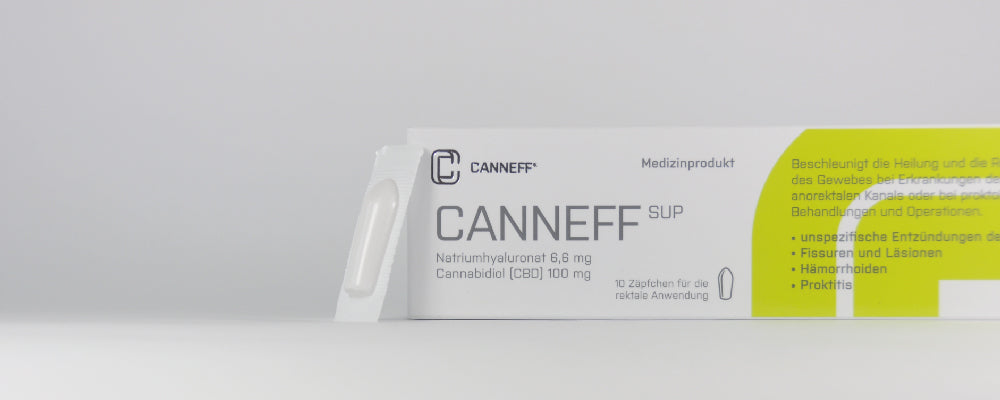
Mild symptoms such as moisture and itching can be treated with anti-inflammatory Suppositories and ointments from the pharmacy are used. These measures provide short-term relief of symptoms. However, investigating the cause and, if necessary, adapting your lifestyle is strongly recommended to prevent chronic deterioration. Ask your doctor or pharmacist about this.
What should I do if my hemorrhoidal symptoms worsen?
Even then, doctors have various procedures available to specifically treat enlarged hemorrhoids. Which one is best suited for you will be decided by your treating physician. It is important that you consult a doctor you trust and do not hesitate to openly discuss your health problems out of fear or shame.