Anal fistula and anal abscess


Inhaltsverzeichnis
What are anal fistulas and anal abscesses?
What are the symptoms of an anal fistula?
What causes anal fistulas?
What are the risk factors for anal fistulas?
How can one distinguish between anal fistula, anal abscess, and cryptitis?
How are anal fistulas treated?
How do CANNEFF® SUP suppositories work in the treatment of anal fistulas?
What are anal fistulas and anal abscesses?
Anal fistulas are unnatural passageways that form between the anal canal and the skin around the anus. Usually, these passages develop due to inflammation of special glands in the anal canal, the proctodeal glands. In humans, these glands are now only partially developed and vary in number individually. They can even be completely absent. Anal fistulas often develop as a result of an anal abscess. However, there are other causes of anal fistulas, such as chronic inflammatory bowel diseases like Crohn's disease and ulcerative colitis.
What are the symptoms of an anal fistula?
Anal fistulas can cause pain in the anus, discharge, bleeding, itching, symptoms of inflammation such as fever, redness, warmth, and swelling of the anal region, as well as possibly bloating or stool passage. It is recommended to see a doctor if such symptoms occur, as a fistula usually does not heal on its own.
What causes anal fistulas?
Anal fistulas often develop as a result of an anal abscess, which is caused by a purulent, bacteria-induced inflammation. Actually, anal fistula and anal abscess are the same disease. The anal abscess involves a encapsulated collection of pus and corresponds to the acute form. The anal fistula, on the other hand, is the chronic form, where the purulent fluid drains through a skin opening.
What are the risk factors for anal fistulas?
According to recent studies, there are some risk factors believed to promote anal fistulas. These include, for example, the following:
- excessive consumption of heavily spiced foods
- lack of exercise, prolonged sitting
- prolonged sitting on the toilet during bowel movements
- smoking
- alcoholism
- lipid metabolism disorders
- stress
- overweight (obesity)
- diabetes (sugar disease, diabetes mellitus)
- skin diseases
- increased daily salt intake
How do you distinguish between anal fistula, anal abscess, and cryptitis?
The cryptitis, the anal fistula and the anal abscess are different forms of the same disease entity, with clearly distinguishable symptoms. An cryptitis, this is often still a reversible initial stage. The Anal fistula on the other hand, corresponds more to the chronic course, and in the case of Anal abscess This involves the acute and significant worsening of symptoms. An abscess is a short-term event that always requires medical or even surgical intervention. A Cryptitis manifests as dull discomfort at the anus, possibly also with pus discharge. While patients with Anal fistula often complain of milder symptoms, patients with abscesses experience pronounced pain at the anus.
How are anal fistulas treated?
Anal fistulas usually do not heal on their own. Treatment generally involves surgery, for which there are various approaches. The method chosen by doctors depends on the type and course of the fistula. Without surgical treatment, there is a risk that the fistula will become inflamed and pus will form. The well-being and overall quality of life of those affected also suffer.
How do CANNEFF® SUP suppositories work in the treatment of anal fistulas?
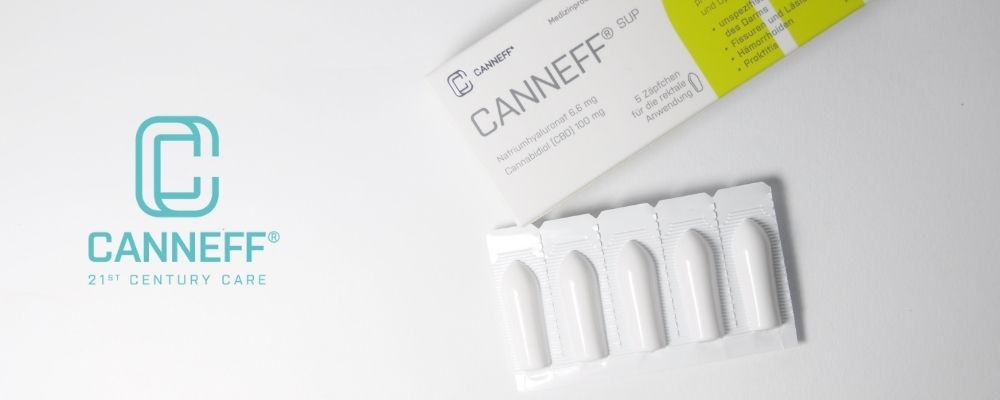
CANNEFF® SUP suppositories for rectal use can relieve symptoms of anal fistulas and support the healing process. Even after colorectal surgeries, CANNEFF® SUP suppositories can help you support recovery and minimize discomfort. For the usually slow wound healing and recovery process after colorectal surgeries, such as the surgical removal of anal abscesses, CANNEFF® SUP offers support during recovery.
“For more than three years, I was diagnosed with a complex anal fistula. My wife recommended CANNEFF SUP suppositories for treatment, and thanks to this medical product, the fistula was significantly reduced. After the postoperative phase, the doctors told me it would take more than three months for the open wound to close. With renewed use of CANNEFF SUP, it only took 45 days for it to fully close. It is an innovative product, wonderful and very pleasant to use. I recommend it to anyone suffering from anal diseases.”
Luis O.